How Government and Funders Build Cultural Destinations: A Proven Economic Development Framework
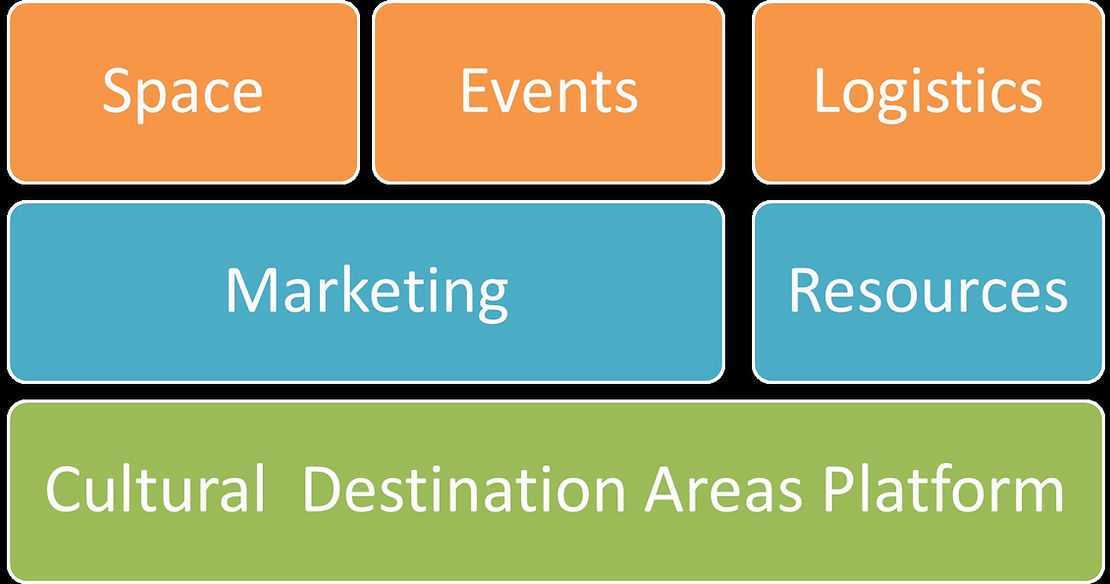
Public sector leadership is essential in developing cultural destinations in underserved communities. In Saint Paul, the Department of Planning and Economic Development, working with community partners, created a replicable Cultural Destinations Resource Platform to drive inclusive growth.
Key Elements of the Cultural Destinations Platform
1. Space (Infrastructure for Cultural Activation)
Cities can unlock underutilized spaces through partnerships. For example, Saint Paul collaborated with Allianz Field to create vendor opportunities for cultural food entrepreneurs serving large event audiences.
2. Events (Driving Foot Traffic and Cultural Tourism)
Signature events like Little Mekong Night Market, Little Africa Fest, and Rondo Days activate neighborhoods and generate economic impact.
3. Logistics (Capacity Building Support)
Many community organizations lack operational capacity. City staff can provide coordination, permitting assistance, and technical support to enable participation.
4. Marketing (Visibility and Destination Branding)
Strategic partnerships with tourism entities like Visit Saint Paul ensure cultural destinations are promoted through citywide campaigns, maps, and digital tools.
5. Resources (Funding and Technical Assistance)
Public investment is critical. Saint Paul deployed nearly $1.5 million in grants and loans, alongside zoning and planning assistance, to support small businesses and cultural projects.
Why This Model Works
Creates sustainable, inclusive growth ecosystems
Expands economic opportunity in low-income communities
Strengthens small businesses and local ownership
Builds cultural tourism and place-based identity